for 25. 12. 2022

The single most intelligent virtuoso sentence I read this year was in an anonymous book review in late October in an offline, print-only publication.

The lives of the rich and beautiful are now smeared across the internet like a caviar skidmark, a constant, oppressive reminder to the poor of the things they can never have.

I looked at that page in the magazine again before I opened  A Christmas Carol a few days ago, as I usually do at this time of year.  The reviewer, I guessed, was almost certainly writing from a life far removed from the existence of the people he was worrying about. In this year’s browsing, Charles Dickens’ peerless capacity for doing that — after he survived his childhood — stood out in a grandly panoramic yet comical scene in a lighthouse in a rough winter sea, a setting that reminded me that thanks mainly to the pandemic, it has been at least three years since I was on the water’s edge. My

 H A P P Y   C H R I S T M A S 

wish for any reader who happens this way comes with my excerpt. Scrooge has been transported to a ‘black and heaving sea’ by the Ghost of Christmas Present.

To Scrooge’s horror, looking back, he saw the last of the land — a frightful range of rocks — behind them; and his ears were deafened by the thundering of water, as it rolled and roared and raged among the dreadful caverns it had worn, and fiercely tried to undermine the Earth.

Built upon a dismal reef of sunken rocks, some league or so from shore, on which the waters chafed and dashed, the wild year through, there stood a solitary lighthouse. Great heaps of seaweed clung to its base, and storm birds — born of the wind, one might suppose, as seaweed of the water — rose and fell about it, like the waves they skimmed.

But even here, two men who watched the Light, had made a Fire that through the loophole in the thick stone wall, shed out a ray of brightness on the awful sea. Joining their horny hands over the rough table at which they sat, they wished each other Merry Christmas in their can of grog, and one of them — the elder, too, with his face all damaged and scarred with hard weather as the figurehead of an old ship might be — struck up a sturdy song that was like a Gale in itself.

for 25. 12. 2021

How strange to find that Christmas carols can also go out of fashion, though few musical traditions would seem to be hardier perennials. Good King Wenceslas, who ventured out into the deep, crisp and even snow lying round about, trailed by his frostbitten, quailing page boy, is nowhere to be found on Fifty Classic Christmas Carols sung by the choir of King’s College, Cambridge. Nor on three other carolling compact discs issued over the last twenty years, teetering on the edge of the desk beyond this screen.

Did the song about Wenceslas deserve to be the carol you almost loved best from about six, you wonder — after O Little Town of Bethlehem, which your mother struggled mightily to teach you to sing in tune? Or was your judgment warped by your father introducing you to it in his velvet-lined bass baritone? No, of course not. There was nothing wrong with your taste then, nor anything in your deep affection for it now, and the loathing of critics who — according to the Wikipedia — deride its lyrics as soppy doggerel or bash it for being faux-traditional is only understandable if they were forced to sing it too often when very young. Or because of an idiosyncratic train of association tying it to something as nasty as, say, gluey instant mashed potatoes or tinned, boiled carrots. 

All religions probably enthrone charity as a supreme virtue, but the root of this particular word for benevolence and alms is caritas or Christian love, in English etymology. Whether an icy trek with a gift of food for a hungry firewood forager by the actual, 10th-century Wenceslaus I, Duke of Bohemia, was real or imaginary, Good King Wenceslas glows with the heat of the spirit of Christmas.

Some of its detractors could be reacting against reminders of need and suffering. There is certainly no room for anything like that in a jingle-ho-ho-ho-bells! sort of celebration, the kind in which it is possible to sing about The Holly and the Ivy for year after year without paying any attention to that carol’s references to blood, sinners and bitter gall, or listening past the lilting, up-tempo refrain of The Infant King — ‘Sing lullaby!’ — to mentions of grief to come, with weeping, nails and the cross. (Not just an observation but a confession.)

… Brightly shone the moon that night

Though the frost was cruel

When a poor man came in sight

Gathering winter fu-uuu-el …

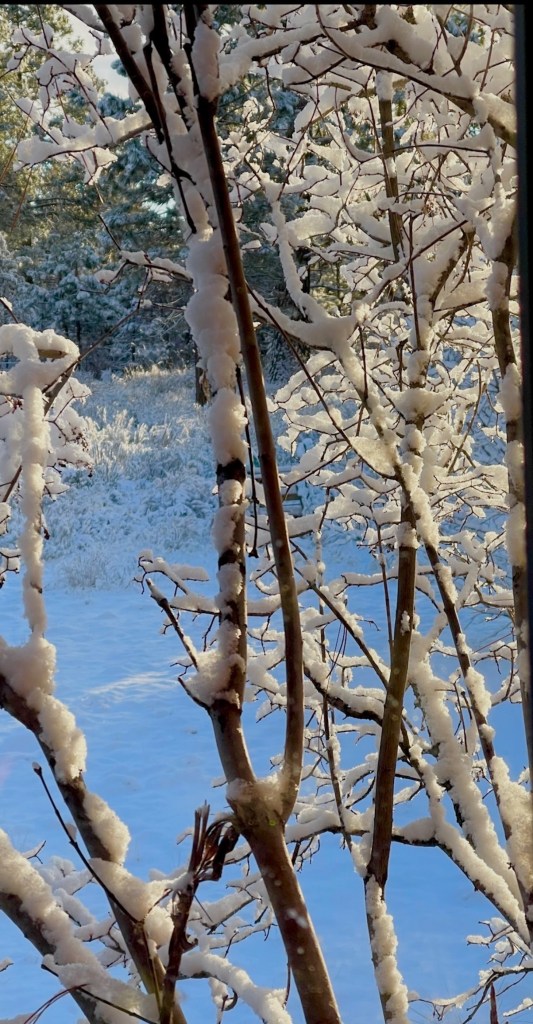
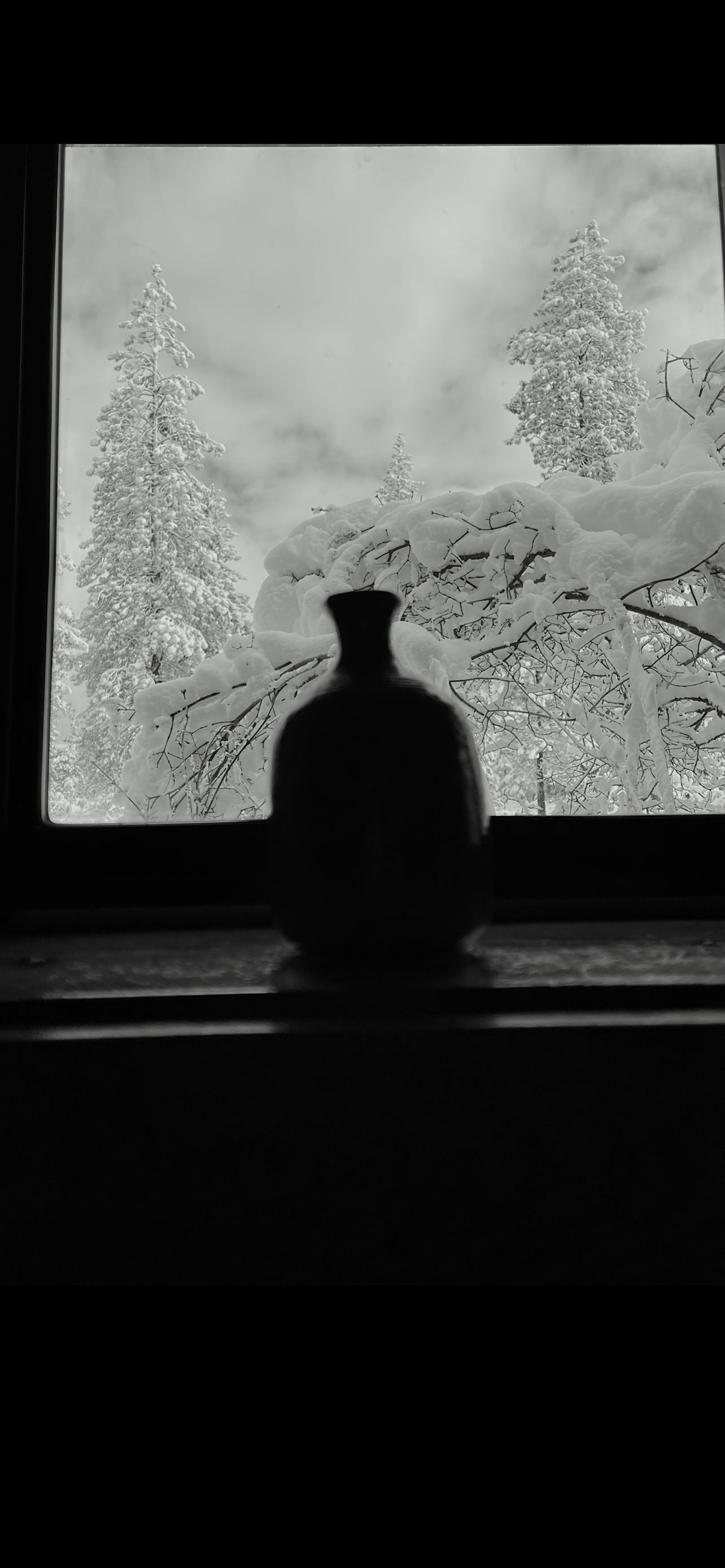
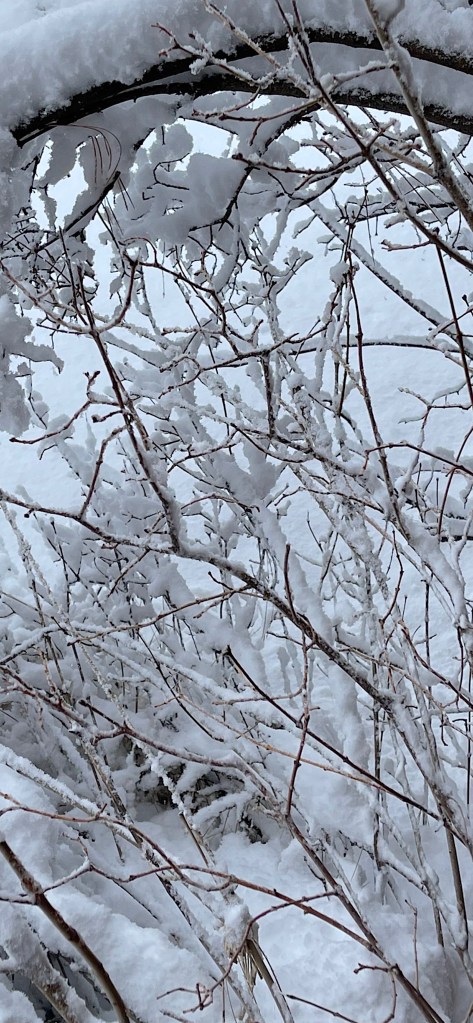
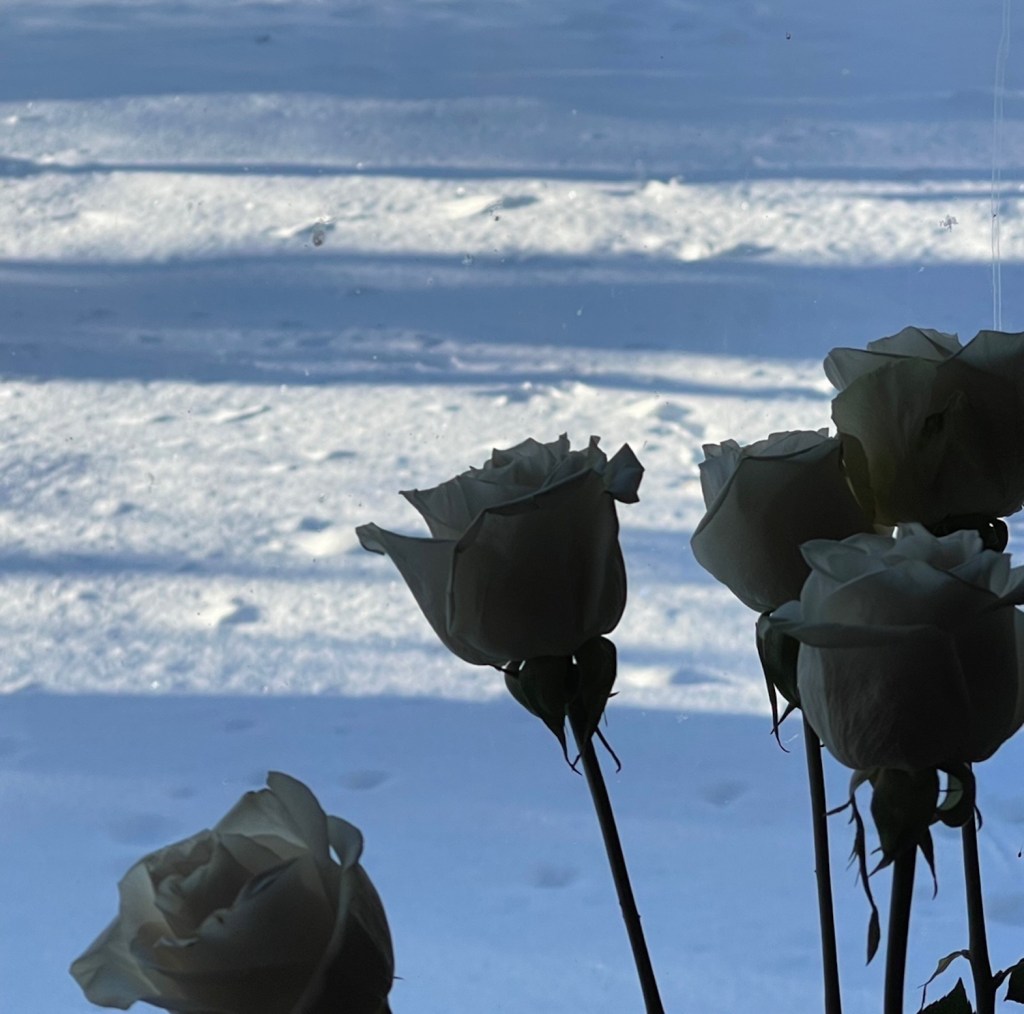
Perhaps it was a gibbous, waxing moon, well on its way to turning perfectly round. Perhaps someone in a Bohemia in a parallel world was surprised to discover that a cactus in a dusty corner that unaccountably survived months of absent-minded, occasional watering, had come into bloom in its season — as it had not always done, in the past. Perhaps a quail perched on a bush bent low under wet, heavy snow entered into a staring contest with a woman at a window, which delighted them both.

Amid the difficulties of the pan-misery and much else, the joy comes stealing in and is unstoppable.

H A P P Y … C H R I S T M A S